Paying for therapy out of pocket sounds expensive until you see how it works. A private pay therapist doesn't bill your insurance directly. You pay for each session, and you receive a superbill that you may be able to submit to your insurer for out of network reimbursement.
Here's what that means, how to check your own benefits, what the diagnosis requirement involves, and how to decide whether private pay is worth it for your situation.
What Does Private Pay Therapy Mean?
How Is Private Pay Different From Using Insurance?
I'm a private pay provider. I don't bill insurance directly. You pay me at the end of each session, and you can use FSA, HSA or any major debit or credit card. If your plan has out of network mental health benefits, I can give you a superbill that you may submit for possible reimbursement.
I can't promise reimbursement. That depends on your plan.
Why Would Someone Choose Private Pay on Purpose?
Insurance can often limit what we're able to explore in therapy. Some people want to choose a therapist for fit, not for a network list. Others want work that goes deeper than a short course of sessions.
There's a real tradeoff, though. If you seek reimbursement, a diagnosis goes on the claim. I cover that below so you can decide with clear information.
Who Might Private Pay Not Be a Good Fit For?
If your budget is tight and your plan has strong in network mental health coverage, using an in network therapist may be the simpler path. Private pay also means you pay at the end of each session and wait for any reimbursement, which not everyone can do.
I'd rather tell you that now than have you start and struggle with the cost. If you're weighing options, a short call can help you think it through.
How Does Private Pay Affect Your Privacy?
If you pay privately and don't submit a claim, your insurer doesn't receive a diagnosis or session record from me. That's one reason some people choose this route.
If you do submit a superbill, your insurer will see the diagnosis and the details of your sessions. Confidentiality still applies, with exceptions related to safety. The choice to file is yours.
Can You Use FSA or HSA Funds for Private Pay Therapy?
I accept FSA and HSA payments, along with all major debit and credit cards. Rules vary by plan, so check with your plan administrator if you want to confirm what counts and what paperwork they need.
That can make private pay more manageable than it first looks, especially if you already set money aside each year for health costs.

How Does a Superbill Work for Out of Network Therapy?
What Is a Superbill?
A superbill is an itemized receipt. It lists the details of each session and what you paid, and your insurer uses it to decide whether it can reimburse you under your out of network benefits. My FAQ page has more on superbills and links to a calculator for out of network benefits.
How Do You Ask Your Insurer About Reimbursement?
Call the number on your insurance card and ask four things. Does my plan have out of network outpatient mental health benefits? What is my out of network deductible? What percentage do you reimburse? How do I submit a claim, and what is the deadline?
Then pay for your session and ask me for your superbill. If you'd like help with submission, I can use Thrizer, which adds a small additional fee.
What About the Diagnosis on the Claim?
To reimburse therapy, insurance companies require a diagnosis of a mental health disorder. That diagnosis becomes part of your health record. If you prefer not to have a diagnosis on your record, or you're looking for support with growth instead of a clinical issue, you can pay privately and choose not to submit a claim. Either choice is yours to make.
What Should You Not Assume About Reimbursement?
Don't assume your plan covers out of network therapy, and don't assume it will cover the full fee. Many plans reimburse only a percentage after you reach a deductible, and some have no out of network mental health benefit at all.
Reimbursement can also take time. Check the claim deadline and keep records of every session. Treat any reimbursement as a bonus until your insurer confirms what you'll receive.
What Happens If Your Insurer Denies the Claim?
It can happen. Claims are sometimes denied for missing information, a wrong form or a lack of out of network benefits. Ask your insurer exactly why, and whether you can resubmit with corrections or appeal.
Because reimbursement is never certain, plan your budget as if you may not get it back. If you do, it's a welcome help.

Is Private Pay Online Therapy Worth the Cost?
What Does Therapy Cost With Me?
Individual sessions are 50 minutes. I use a sliding scale: the full cost rate is $150, and the redistribution rate is $180, which helps support lower rates for others. I don't ask for proof of income. I trust you to choose the rate that's right for you. The details are on my fees and insurance page.
How Can You Decide Before You Commit?
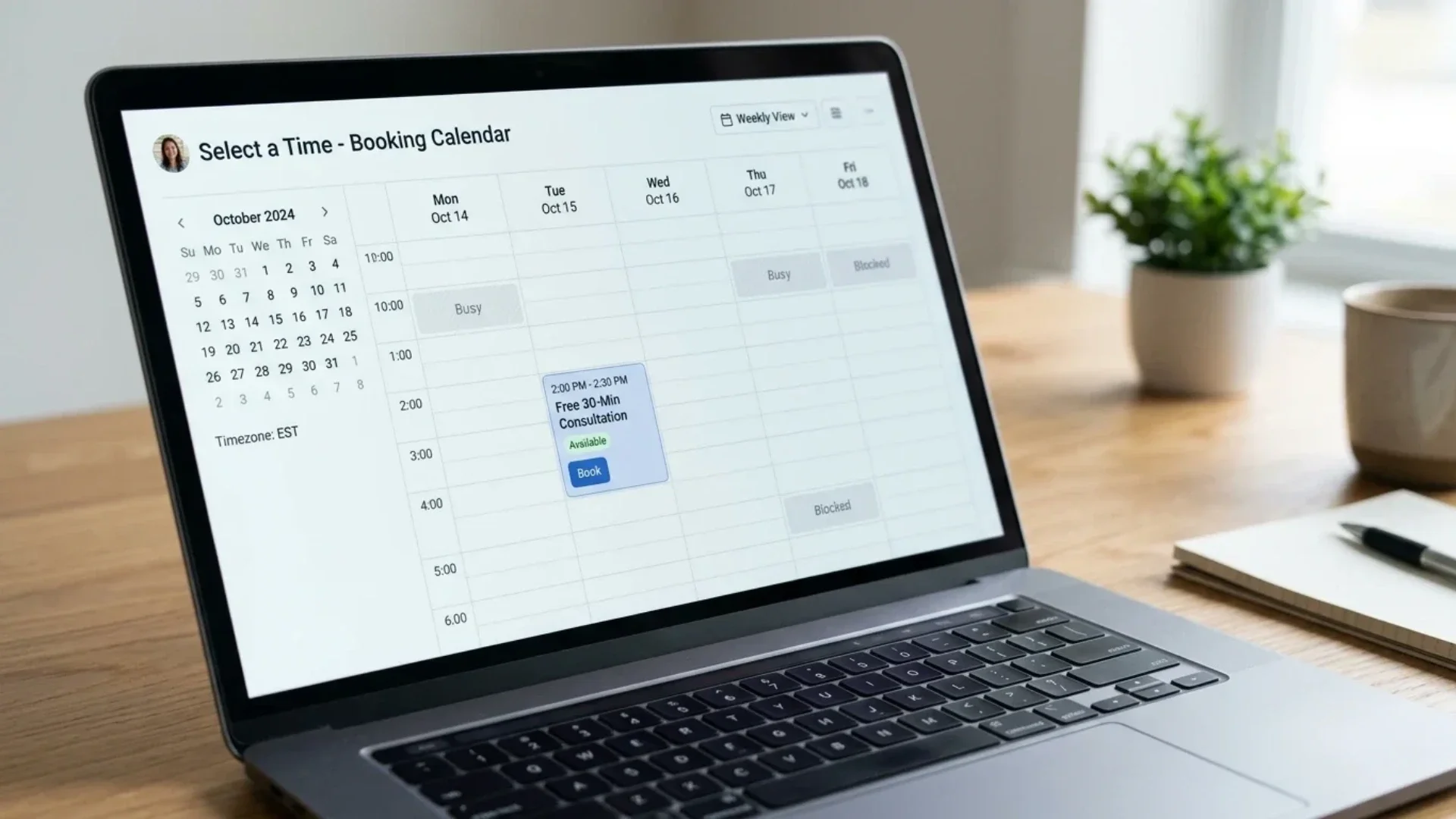
Start with a free 30 minute consultation. It costs nothing, and you'll know how it feels to talk with me. Then check your benefits using the questions above.
If we move forward, I check in with you after three sessions to see how it's going, which gives you a natural point to decide whether to continue. For the bigger picture of how online therapy works, read my guide to online therapy in Seattle for young adults.
How Should You Budget for the First Few Months?
Multiply the session fee by the number of sessions you plan in your first three months. That gives you a clear number before you start, and you can decide whether it fits your budget without pressure.
Because I check in after three sessions, you have a natural point to pause and reassess. You never have to decide your whole plan in advance. If money is part of the picture, tell me. I'd rather talk about it openly than have it sit unspoken between us.
What Should You Ask Any Private Pay Therapist Before You Book?
Ask what a session costs and how long it lasts. Ask when payment is due, and how the cancellation policy works. Ask whether they provide a superbill and whether there's any fee for submitting it.
Cost Is a Fair Question, and You Deserve a Clear Answer
You deserve all of that in plain language before you start. For me, sessions are 50 minutes, and cancellations with less than 24 hours' notice are charged the full session fee. My fees and insurance page has the rest.
Cost is a fair question, and you deserve a clear answer. You don't have to decide today. Check your benefits, look at the rates and sit with the numbers.
When you're ready, book a free 30 minute consultation and ask me anything about fees, superbills or how it all works.
