Why Gen Z in Seattle Is Turning to Online Therapy
1. Introduction
Gen Z did not grow up believing therapy was something to hide. Most grew up understanding that getting support is normal, yet many still tell themselves they will look into therapy later.
In Seattle, that threshold often arrives sooner than expected. Young adults are trying to build careers, manage rising living costs, maintain relationships, and create stability while navigating challenges such as the Seattle Freeze and the lingering effects of the pandemic.
This generation is often described as the most mental-health-aware in history, yet many still struggle to find support that fits their schedule, budget, and daily life.
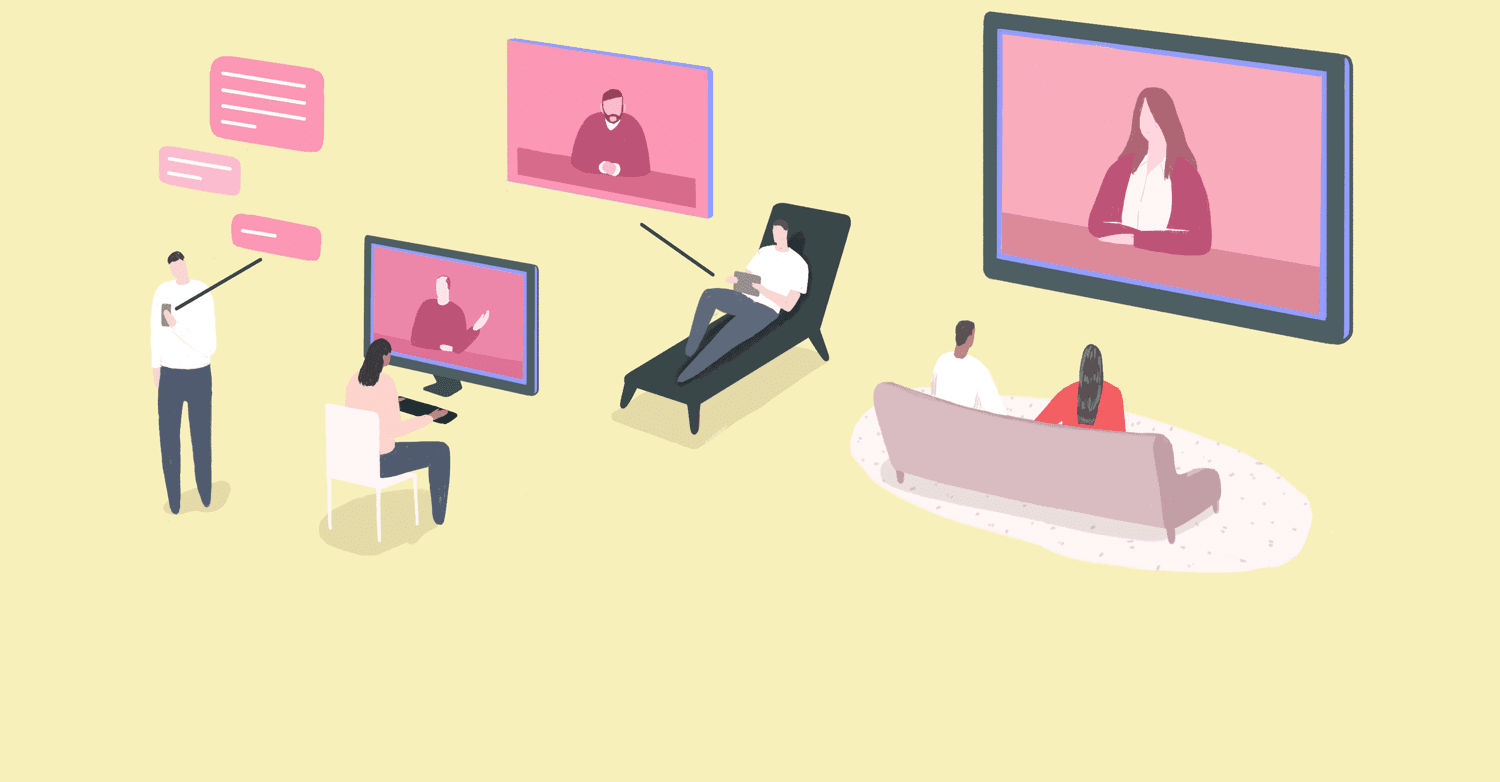
That is one reason online therapy has gained traction among Seattle young adults. It removes barriers that have traditionally kept people from getting started and offers a format that feels natural to a generation already comfortable connecting through technology.
2. The Gen Z Mental Health Picture
Gen Z talks about mental health more openly than any generation before it. That increased awareness has helped normalize conversations about anxiety, depression, burnout, loneliness, and emotional wellbeing, but it has not eliminated the challenges of finding support when it is needed.
Research from the American Psychological Association consistently shows that Gen Z reports mental health concerns at higher rates than older generations while also being among the most likely to seek help. At the same time, many young adults still struggle to access care because of financial barriers, provider shortages, scheduling challenges, and uncertainty about where to begin.
Anxiety and depression remain among the concerns most commonly discussed by young adults today. Many are also navigating loneliness, burnout, identity-related stress, grief, relationship difficulties, and the pressures of early adulthood.
The pandemic intensified many of these struggles, and its effects continue to shape how many young adults experience connection, confidence, and stability.
Many Gen Z adults know therapy could be helpful, but barriers such as cost, waitlists, and uncertainty about finding the right provider often get in the way.
This is one reason online therapy has become increasingly popular among young adults. It reduces many of the barriers that have traditionally delayed care and offers a format that aligns with how this generation already communicates and manages daily life.
3. Why Seattle Specifically Makes This Harder
For many young adults, the challenge is doing so in a city that can make connections and support harder to build. Seattle offers enormous opportunities, but it also comes with pressures that can affect mental health over time.
One of the most discussed is the Seattle Freeze. While people are often friendly and welcoming, many newcomers find it difficult to build deeper friendships and lasting social circles. That isolation can contribute to anxiety, depression, and emotional distress.
The environment can also play a role. Seattle experiences long stretches of cloudy weather each year, and many residents notice shifts in mood, energy, motivation, and social engagement during the darker months.
Financial stress adds another layer to the picture. Seattle remains one of the most expensive cities in the country, and many young adults are balancing housing costs, debt, and everyday expenses while trying to establish themselves professionally.
For that reason, accessibility matters. Online therapy is often easier to fit into a busy schedule and may be more affordable than traditional in-person care, especially when insurance covers telehealth services.
4. Why Gen Z Is Choosing Online Therapy

One reason online therapy has gained so much momentum among Gen Z is that it fits naturally into the way they already manage their lives. This generation grew up with digital communication as a normal part of everyday life, and for many young adults, connecting with a therapist online feels familiar.
That familiarity matters because convenience often determines whether someone follows through on getting support. When therapy can happen from home, the process feels easier to fit into an already busy schedule.
Online therapy also expands access beyond a person's immediate neighborhood. Instead of being limited to nearby providers, clients can connect with licensed therapists throughout the Seattle area without adding a commute to their schedule.
Privacy is another reason many young adults prefer virtual sessions. Attending appointments from home removes some of the visibility that comes with visiting a physical office and allows clients to engage in therapy from a space where they already feel comfortable.
Availability also plays a significant role. Online therapy can make it easier to find appointment times that fit around work schedules, college classes, internships, and other commitments.
For Gen Z, the appeal of online therapy is that it removes many of the barriers that traditionally delayed care and makes getting support feel practical and accessible.
5. What Online Therapy Actually Looks Like
For many people, the biggest obstacle to therapy is uncertainty about what happens once they book an appointment. Understanding the process ahead of time can make the experience feel more approachable.
The process usually begins with a brief phone or video consultation to determine whether the therapist is a good fit. Before the first appointment, clients typically complete an online intake form covering background information, current concerns, and therapy goals.
The first full session is usually much less intimidating than people expect. Most clients spend the session discussing what brought them to therapy, the challenges they are facing, and what they hope to gain from the process.
Most online therapy sessions take place through secure video platforms and can be attended from any private location with a reliable internet connection.
Sessions generally last about 50 minutes and are scheduled weekly or every other week depending on the client's needs. Some therapists also offer support between appointments through messaging or check-ins.
Online therapists use the same evidence-based approaches used in traditional in-person settings, including Cognitive Behavioral Therapy (CBT), Acceptance and Commitment Therapy (ACT), and Dialectical Behavior Therapy (DBT).
What often surprises first-time clients is how normal the experience feels. Online therapy is a structured conversation designed to help people better understand themselves, manage challenges, and build skills that support their mental health over time.
6. Online Therapy vs. In-Person: A Direct Comparison
As more young adults consider therapy, one of the most common questions is whether online therapy is as effective as meeting a therapist in person. The answer often comes down to personal preference, schedule, and comfort level.
For many Gen Z clients, the choice comes down to convenience and accessibility rather than effectiveness. Both formats can provide meaningful support when there is a strong connection between client and therapist.
Some people prefer meeting in a dedicated therapeutic space, while others value the flexibility of attending sessions from home.
The most important factor is choosing the format that makes it easier to consistently show up, engage in the process, and build a productive relationship with a therapist.
7. What to Look for in an Online Therapist as a Young Adult
Finding the right therapist matters just as much as deciding to start therapy in the first place. Taking time to evaluate credentials, experience, and personal connection can make a meaningful difference.
The first thing to verify is licensure. Regardless of the specific title, any therapist providing services to Washington residents should hold the appropriate state credential and be authorized to practice in Washington.
Once credentials are confirmed, the next consideration is specialization. Someone seeking support for anxiety, depression, burnout, life transitions, relationship concerns, or young adult issues may benefit from working with a therapist who regularly focuses on those areas.
For many Gen Z clients, cultural understanding is also an important factor. Finding a therapist who demonstrates cultural competency and provides affirming, identity-informed care can help create a stronger sense of trust and understanding during sessions.
Perhaps most importantly, the therapeutic relationship itself plays a significant role in successful outcomes. If the relationship does not feel comfortable, productive, or supportive after giving the process a fair chance, it may be worth exploring another therapist.
Many consultation calls provide an opportunity to explore fit before committing to ongoing sessions. Questions about the therapist's approach, experience, and expectations can help determine whether the relationship feels promising from the start.
Some useful questions include:
What therapeutic approaches do you typically use?
What experience do you have working with people my age who are dealing with concerns similar to mine?
What does the process look like if I feel stuck or feel that therapy is not helping?
The answers can help you understand how the therapist works and whether their style feels compatible with what you are looking for.
8. Common Concerns
Even when someone is interested in therapy, a few common concerns often keep them from taking the next step.
One of the most common thoughts is, "I don't think my problems are bad enough for therapy." Many people assume therapy is only for major crises or severe mental health conditions. In reality, many young adults begin therapy because of stress, anxiety, relationship concerns, uncertainty about the future, or a general feeling that something is off.
Therapy is not reserved for people in crisis. It is a resource for anyone who wants support in understanding themselves and navigating life's challenges more effectively.
Cost is another concern that frequently comes up. Many therapists accept insurance, and telehealth coverage has expanded significantly in recent years. For individuals without insurance or with high deductibles, some therapists offer sliding scale fees or other payment options.
Another common concern comes from people who have tried therapy before and felt disappointed with the experience. A poor experience with one therapist does not necessarily mean therapy itself was the problem. The relationship between therapist and client matters, and different therapeutic approaches work better for different individuals.
Perhaps the most common concern of all is simply not knowing how to start. The reality is that starting usually requires much less preparation than people expect. A brief consultation is often enough to begin exploring whether a therapist feels like a good fit.
You do not need a perfect explanation of your concerns or a clear plan for what you want to accomplish. You only need a willingness to start the conversation.
9. FAQs
Is Online Therapy as Effective as In-Person Therapy for Anxiety and Depression?
Research shows that online therapy can be just as effective as in-person therapy for many people dealing with anxiety and depression. The quality of the therapeutic relationship and consistency of attendance often matter more than the format itself.
Does Insurance Cover Online Therapy in Washington State?
Many Washington insurance plans now cover telehealth mental health services. Coverage varies by provider and plan, so it is worth verifying benefits before scheduling your first appointment.
How Do I Know if a Therapist Is a Good Fit for Me?
A good therapist helps you feel heard, understood, and comfortable enough to be honest. Most people can get a sense of fit within the first few sessions, and it is completely acceptable to switch providers if the connection does not feel right.
What's the Difference Between a Therapist, Psychologist, and Psychiatrist?
A therapist provides talk therapy and counseling, while a psychologist does the same but also conducts psychological testing and assessments. A psychiatrist is a medical doctor who focuses on diagnosing mental health conditions and prescribing medication. Depending on their needs, some people may work with more than one of these providers at the same time.
Can I Do Online Therapy if I Live Outside Seattle but Still in Washington State?
Yes. As long as your therapist is licensed in Washington State, they can generally provide online therapy to clients located anywhere within the state during sessions.
How Long Does Therapy Usually Take Before I Notice a Difference?
The timeline varies from person to person and depends on the concerns being addressed. Some clients notice changes within a few sessions, while others benefit from a longer-term process that unfolds gradually over time.
What If I'm in Crisis, Is Online Therapy Appropriate?
Online therapy can support many mental health concerns, but it is not a substitute for emergency services. If you are experiencing a mental health emergency or believe you may harm yourself or someone else, call 911 or contact emergency crisis services immediately.
10. Conclusion
Online therapy is not a lesser version of care. For many Gen Z adults in Seattle, it is the version that actually fits their life. The quality of therapy comes from the relationship, the consistency of the work, and the evidence-based support provided by the therapist, not from whether the conversation happens in an office or through a secure video platform.
Many of the barriers that kept previous generations from starting therapy have become much easier to overcome. Long commutes across Seattle, limited appointment availability, concerns about privacy, and months-long waitlists no longer have to stand between someone and the support they need. Telehealth has made therapy more accessible, more flexible, and easier to fit into the realities of work, school, and everyday life.
If you have been thinking about therapy but have not taken the first step, you do not need to wait until things get worse. Many people benefit from support long before they reach a crisis point, and starting earlier often makes challenges easier to manage.
Book a free 15-minute consultation with Jade Path Counseling and learn whether online therapy feels like the right fit for you. Services are available to adults throughout Washington State, making it possible to access support wherever you live.
Crisis Resources
If you are in crisis, call or text 988 to reach the 988 Suicide & Crisis Lifeline. You can also contact the Crisis Text Line by texting HOME to 741741 or go to your nearest emergency room.
