5 Signs You Might Need Therapy (And What Seattle Life Is Doing to Your Stress Levels)
If you're asking whether you need therapy, you probably already know something's off.
You don't need a crisis to justify getting support. You need a pattern that's lasted longer than it should, and that pattern tends to show up faster here than in most cities. Between the tech industry's boom and bust cycles, the return-to-office traffic, and five straight months of gray sky, Seattle has a way of turning ordinary stress into something heavier.
Here are five signs worth paying attention to, and why this city makes them worse.
How to Know If You Need Therapy: 5 Signs Seattle Life Makes Worse
None of these signs are dramatic on their own. That's exactly why they're easy to miss. Most people who reach out to me didn't have a single bad day that pushed them over the edge. They had months of small things adding up, and Seattle gave those small things plenty of help.
Sign 1: Unexplained Tension Your Body Won't Let Go Of
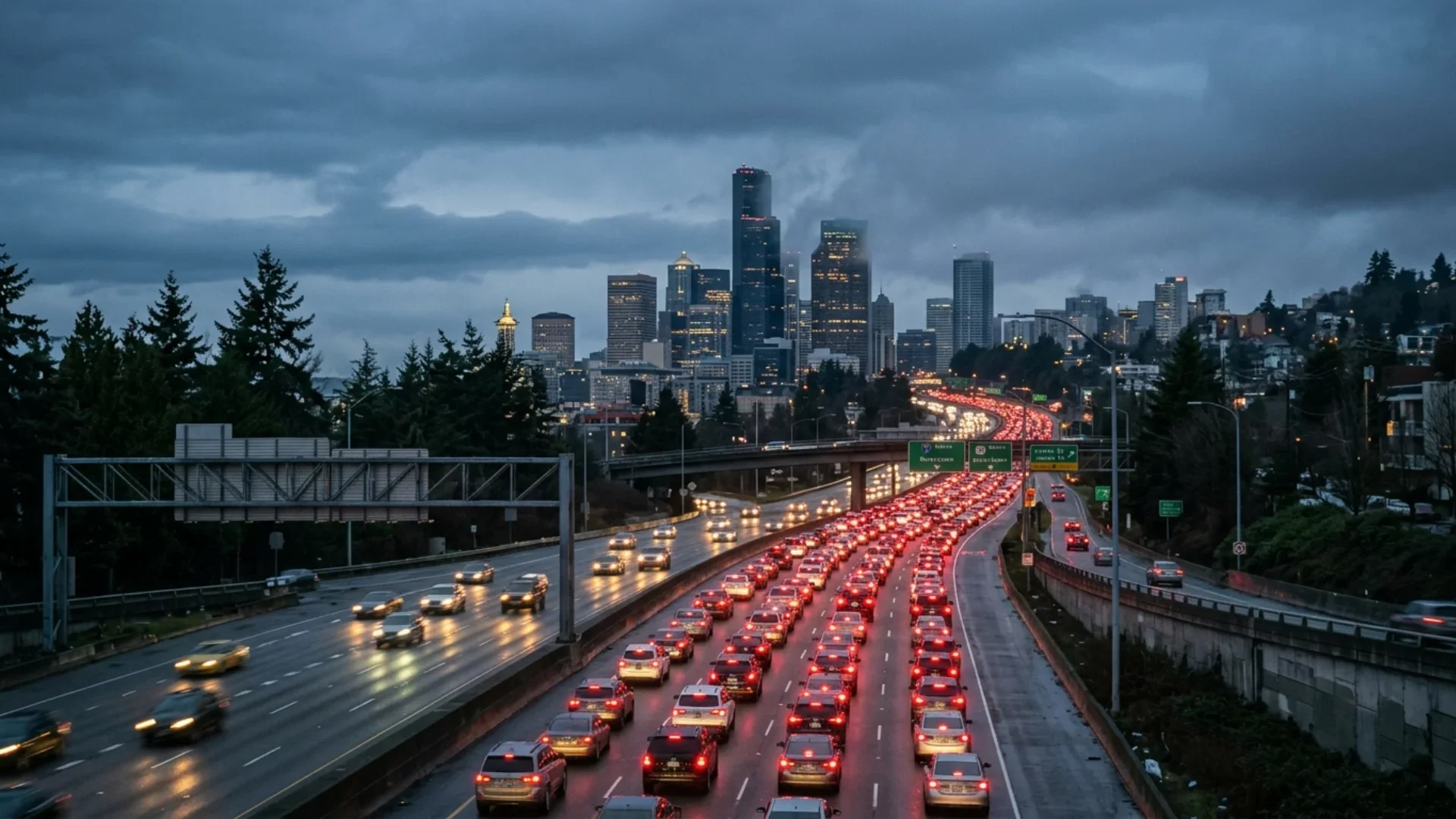
You notice it in your jaw first, or maybe your shoulders. You catch yourself clenching your teeth in traffic on I-5, or realize your neck has been tight since a Tuesday video call that ended three hours ago. This isn't random. Your body holds onto stress your mind has learned to push past, and if you've spent the last year navigating layoffs at the company down the street, a commute back into the office that didn't used to exist, or a Slack channel that never really goes quiet, that tension has had a lot to build on.
It adds up in smaller ways too. A bridge closure that turns a twenty minute drive into an hour. A ferry delay that eats into the one evening you had planned for yourself. None of these are catastrophic on their own, but when your nervous system is already running hot, they land harder than they should, and your body keeps a tally even when your calendar says everything's fine.
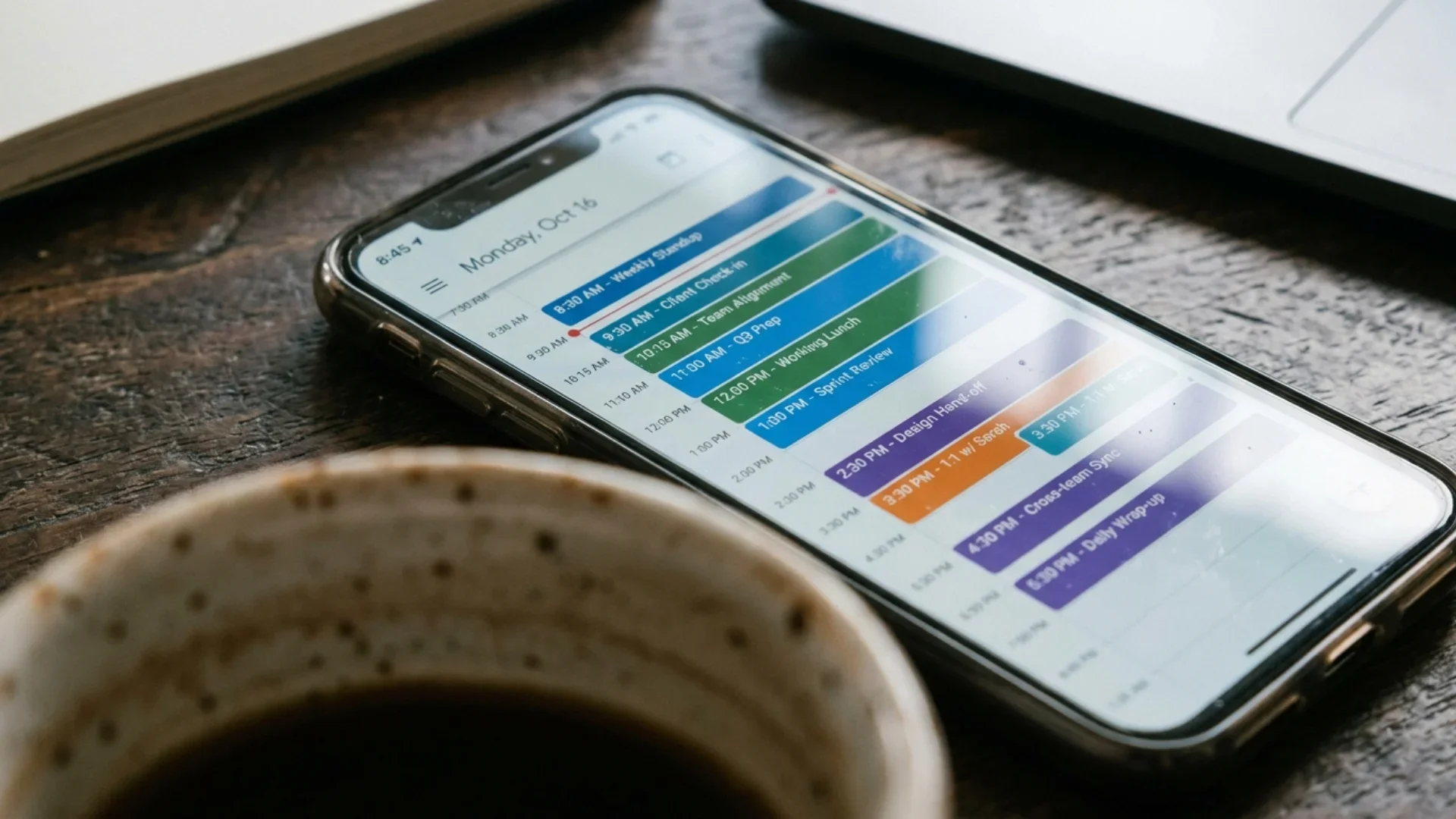
Sleep is usually the second place it shows up. You're tired all day, then wired the second your head hits the pillow. That combination, exhausted but unable to rest, is one of the clearest signals that stress has stopped being situational and started being physical.
Sign 2: You Look Successful But Feel Completely Empty
This one is common enough in Seattle that I could build an entire practice around it, and honestly, I sort of have. You've got the title, the salary, the LinkedIn profile that reads well. From the outside, nothing is wrong. From the inside, you're running on fumes and quietly terrified that if you slow down for even a week, someone will notice you're replaceable.
Picture the version of this that's almost cliché at this point: you close your laptop at 7pm, still logged into three different tools, and instead of feeling done for the day, you feel like you should have finished one more thing. You tell yourself it's temporary, that things will calm down after this launch or this quarter. Then the next one starts, and the temporary feeling never actually ends.
That gap between how you look and how you feel doesn't close on its own, and it rarely responds to a long weekend. If this sounds familiar, it's worth reading more about how burnout shows up specifically in high performers on my Burnout & High Achievers page, because the fix looks different for people who've built an identity around never slowing down.
Sign 3: Everyday Decisions Suddenly Feel Impossible
What to eat for dinner. Whether to respond to that email tonight or wait until morning. Which route to take home. When your brain is already maxed out managing anxiety, ordinary decisions start to feel disproportionately heavy, because there's no bandwidth left to make them easily.
You might notice it as standing in front of an open fridge for five minutes without picking anything, or rereading the same paragraph of a work email three times before you can respond. It's not that the decisions themselves got harder. It's that the part of your brain that used to handle them quickly is already busy managing something else.
This is decision fatigue layered on top of something more persistent, and it's one of the more reliable signs that anxiety has moved from background noise to something actively running the show. I go into this in more depth on my Anxiety page, including what treatment for it actually looks like once you're past the point of white-knuckling through your day.
Sign 4: You're Avoiding People You Used to Actually Enjoy
Group texts go unanswered longer than they used to. "Let's grab coffee sometime" quietly becomes a thing you say instead of a thing you do. Seattle's long, dark stretch from November through March makes this especially easy to miss, because staying in feels like the reasonable, even cozy, choice everyone else is making too. Hibernating with a book by the window doesn't look like a problem here. It looks like the season.
But there's a difference between choosing rest and quietly disappearing from your own life. If you're turning down plans with people who genuinely make you feel better, not just obligations you were dreading anyway, that's worth noticing. Isolation has a way of feeling like relief in the moment and costing you more the longer it goes on.
Sign 5: Small Things Are Setting Off Reactions That Don't Match Them
A missed parking spot. A partner leaving dishes in the sink. A grocery total that's fifteen dollars more than it used to be. None of these are worth the reaction they're getting out of you lately, and some part of you knows that even as it's happening.
This kind of short fuse usually isn't really about the dishes. It's what happens when a lot of small, ongoing pressures, the cost of living here, the pace, the noise, have already used up your patience before the actual trigger even shows up. The snap just happens to land on whatever's closest.
Normal Stress or Something More? How to Tell the Difference
Every one of the signs above happens to everyone occasionally. The question isn't whether you've felt them. It's whether they've become the default instead of the exception.
The One Question That Tells You If It's Time for Therapy
Here's the question I'd actually ask you in a consultation call: how long has this been going on, and what is it costing you? Not in a dramatic sense. In a practical one. Are you snapping at people you love. Are you avoiding things you used to enjoy. Has "I'm just tired" become your answer to almost everything.
If you can point to a specific week things shifted and it's been a few weeks since, that's often something that resolves on its own. If you've stopped being able to remember what normal felt like, that's a different situation, and it's the one therapy is built for.
A useful gut check: think back to a year ago. Would that version of you recognize how you're operating now as a rough patch, or as your baseline? If the answer is baseline, that's the pattern talking, not a personality trait.
"Everyone Here Feels Like This" Doesn't Mean It's Not Worth Addressing
This is the objection I hear most often, and it makes sense. When you're surrounded by people working the same long hours, dealing with the same commute, and navigating the same industry uncertainty, it's easy to assume the exhaustion is just the cost of living here. Shared stress can feel like proof that it's not a real problem, just the baseline everyone's quietly managing.
But shared doesn't mean harmless. A whole city running on chronic stress doesn't make the stress less real, it just makes it easier to normalize. The fact that your coworkers are also exhausted doesn't mean you have to accept exhaustion as permanent.
What Happens When Seattle Stress Goes Unaddressed
Left alone, this pattern doesn't stay flat. It tends to widen, quietly pulling in your sleep, then your relationships, then your ability to concentrate at work, which in a competitive market like this one adds its own layer of pressure. What starts as feeling tired after a hard week often turns into feeling tired as a permanent state, and by the time most people reach out, they've usually been managing it far longer than they initially planned to.

I've written more specifically about what unaddressed burnout looks like over time in my guide to online therapy for burnout, if you want a closer look at how this plays out for people whose whole identity is tied to performing well.
The good news, if there is one, is that none of this requires you to hit a breaking point before you're allowed to ask for help. You're allowed to get support while you're still functioning. That's usually the easier time to do it anyway, since patterns are almost always easier to work with before they've had years to settle in.
There's also a practical upside to catching it early that people rarely think about. The version of you that's still managing, still showing up, still mostly functioning, has more energy to invest in therapy than the version of you six months further into burnout. Starting now, while you can, tends to move faster than starting later, once you're depleted.
None Of These 5 Signs Mean Something Is Wrong With You.
They mean your body and mind have been keeping score on a demanding stretch, and Seattle has given that stretch plenty of material to work with. Noticing the pattern is the hard part. Once you've named it, the next step is a lot smaller than most people expect.
If two or three of these sound like your last few months, you don't have to wait for things to get worse before reaching out. Book a free consultation and I'll talk through what's going on and what support could actually look like for you.
