If you work in tech in Seattle or Bellevue and you feel exhausted and on edge, you may be asking whether it's burnout or anxiety. The short answer: burnout usually leaves you drained and detached from work, while anxiety keeps you worried and wired, often outside work too. You can also have both.
Here's how to tell them apart, why layoffs and on call pressure blur the line, and a short check you can run this week.
Burnout vs Anxiety: What Is the Difference for Tech Workers?
What Does Burnout Feel Like?
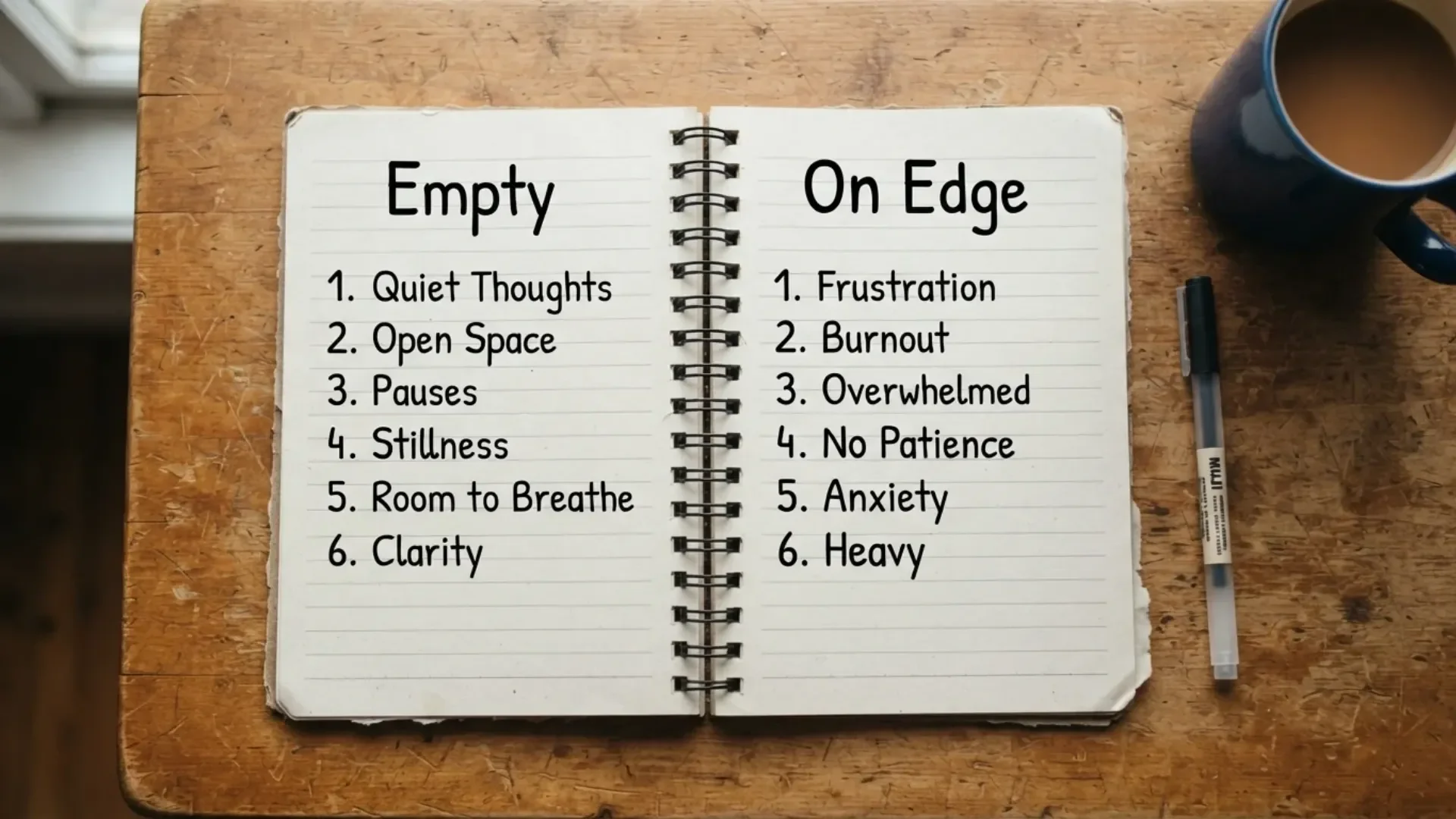
Burnout isn't just being tired. It's emotional exhaustion, cynicism and a feeling that nothing you do matters anymore. Stress is temporary and eases with rest. Burnout is chronic exhaustion, emotional detachment and a drop in how well you perform.
A common sign is dread on Sunday night and numbness on Monday. You're not so much worried as depleted, and rest only refills you a little.
What Does Anxiety Feel Like?
Anxiety keeps your system on alert. You worry about what could go wrong, replay conversations and feel tension in your chest or stomach. It can follow you out of work too, into friendships, dating and family.
Where burnout drains you, anxiety wires you. Many people feel tired and tense at once, which is a rough combination.
Can You Have Burnout and Anxiety at the Same Time?
Yes. Long stretches of pressure can lead to burnout, and burnout can make anxiety louder. If you can't tell which is which, that's a normal place to start. You don't need to sort it out before you reach out.
Which One Should You Address First?
Start with whatever is hurting most right now. If you're too exhausted to function, rest and workload changes come first, and therapy can help you work out what to change. If your mind won't slow down and your body is on alert, anxiety work may come first.
Often the two are tangled, and a first session helps you see which thread to pull. It isn't a test with a wrong answer. It's a way to decide where to begin.
How Is Burnout Different From Ordinary Stress?
Stress is usually temporary. A hard week ends, you rest, and you feel more like yourself. Burnout doesn't lift with a weekend off. It's chronic exhaustion, emotional distance from your work and a lower sense that your effort counts.
If a long weekend or a vacation barely helps, that points toward burnout more than everyday stress.
How Does Perfectionism Feed Both?
Perfectionism raises the stakes on every task. Every message, ticket and review becomes a test, which keeps your system on alert and wears you down at the same time. All or nothing thinking makes it worse: if it isn't perfect, it feels like failure.
Challenging that thinking is a big part of the work I do with high achievers and tech workers.
Why Do Layoffs and On Call Pressure Blur the Line in Seattle and Bellevue?
How Do Layoffs Affect the People Who Stay?
When colleagues leave, the people who stay often take on more work and more worry. You wonder if you're next, you cover for missing teammates and you work harder to prove your value. That mix of fear and overload can feel like anxiety and burnout at the same time.
Layoff anxiety is one of the things I work with, along with on call stress and production pressure.
When Does an Always On Workday Turn Into Burnout?
When work never ends, recovery never starts. Messages at night, weekend pings and back to back meetings add up. High achievers are especially at risk because they tend to keep going long after the body asks them to stop.
My burnout and high achievers page explains how I work with people who look fine on paper and feel empty underneath.
How Does Working From Home Blur Rest and Work?
Many people in Seattle and Bellevue work from home some or all of the week. The bedroom turns into the office, the laptop never leaves the kitchen and the workday has no clear end. Without a commute, there's no moment to switch off.
That makes it harder to tell whether you're tired, stressed or both. A small ritual to end the day, like a short walk or changing clothes, can help. If you still can't unwind, that's worth bringing to therapy.

Why Do High Achievers Wait So Long to Ask for Help?
Many people who do well at work assume that if they can still deliver, nothing is really wrong. They compare themselves to people who seem worse off and decide their struggle doesn't count. Some also fear that asking for help will look like weakness.
Struggling doesn't need to reach a breaking point to count. If you're producing results and still feel empty or on edge, that's enough reason to talk to someone.
What Can You Change at Work While You Figure It Out?
You don't have to wait for therapy to try small boundaries. Turn off notifications after a set hour. Decline one request this week without a long explanation. Take your full lunch break once.
Notice how each change feels, including the guilt. That reaction is useful information, and it's something we can work on together.
A Simple Self Check and What a First Session Helps Sort Out
5 Questions to Ask Yourself This Week
First, do you feel better or worse after a few days away from work?
Second, are you mostly numb and tired, or mostly tense and worried?
Third, do the same feelings show up in your personal life?
Fourth, is your body sending signals, like poor sleep, a tight chest or headaches?
Fifth, has this lasted weeks, not days?
If your answers lean toward work and numbness, burnout may be a bigger piece. If they lean toward worry and body alarm in many places, anxiety may be. If you answered both ways, that's okay. This isn't a diagnosis. It's a clearer starting point for a conversation.
Take a few minutes to write your answers down. They give a therapist a much clearer starting point than a general sense of being off.
What Happens in a First Session for Burnout or Anxiety?
We map what's happening now, where it started and where you feel it in your body. My approach is relational and psychodynamic, with an attachment and somatic lens, so we look at the deeper reason behind the exhaustion, not just time management tips. In burnout work, that can include looking at perfectionism and all or nothing thinking, learning to decline requests without guilt, and settling a stressed nervous system.
You can read more on my anxiety therapy page. If your workday is packed, my downtown Seattle online therapy page explains how telehealth sessions fit around it. Sessions run Monday through Friday, 9 am to 5 pm.

Do You Need to Take Time Off Work to Start Therapy?
No. Sessions are by telehealth, Monday through Friday, 9 am to 5 pm, and you can take them from a private room at home. You don't need to announce it to your team.
You Don’t Have to Name It Perfectly Before You Ask for Help
If work is the main source of strain, we can talk about what you can change and what you can't, and how to protect your energy within those limits.
Burnout, anxiety or both, the useful part is that you noticed. You don't have to name it perfectly before you ask for help.
If you've been wondering for weeks, book a free 30 minute consultation and we can figure out what's going on and what to do about it.
